Originally shared as Issue #31 of Modern Mom Notes, my weekly newsletter for moms navigating the beautiful chaos of early parenthood.
Most nutrition advice for moms sounds beautiful in theory. Morning yoga. Green smoothies. Meditation before sunrise. But if you haven't eaten a meal sitting down in weeks and run on coffee until 2pm, that advice isn't built for your life. I sat down with Lopamuudra Banerjee, a health and nutrition coach who has worked with over 11,000 women over 15 years, to get the real, practical version.
Her advice? Practical. Accessible. No perfection required. Let's talk about taking care of your health when life refuses to cooperate.

THE MISTAKE EVERY MOM MAKES (AND WHY IT'S NOT YOUR FAULT)
Q: You've worked with several women over 15 years. When it comes to moms in their 30s and 40s with young toddlers, what's the most common nutrition mistake you see?
LOPAMUUDRA: The most common mistake I see is moms skipping meals, especially breakfast, and then overeating later in the day. This usually happens because mornings are chaotic and they prioritize everyone else first.
But physiologically, this disrupts blood sugar regulation. When you go long hours without eating, cortisol rises to maintain energy, which can increase cravings, irritability, and fat storage over time. By afternoon or evening, this often leads to energy crashes and overeating, especially high-sugar or high-fat foods.
"It's not a lack of discipline. It's a biological response to under-fueling early in the day.”
WHAT'S ACTUALLY HAPPENING IN YOUR BODY RIGHT NOW
Q: Hormonal shifts in the 30s and 40s are real but rarely talked about honestly. What's actually happening in a mom's body during this phase, and how does food play a role?
LOPAMUUDRA: In the 30s and early 40s, women start experiencing subtle hormonal shifts, especially fluctuations in estrogen and progesterone. This can affect sleep, mood, energy levels, and even how the body stores fat.
At the same time, insulin sensitivity can reduce slightly, meaning the body doesn't handle high-sugar or refined-carb meals as efficiently. Food plays a critical role here. Balanced meals with protein, fiber, and healthy fats help stabilize blood sugar, which directly impacts mood, cravings, and sustained energy.
Poor food choices don't just affect weight. They amplify fatigue, irritability, and poor sleep, which many women wrongly attribute only to being busy.
THE 3 FOODS THAT WILL ACTUALLY HELP YOU FEEL BETTER
Q: What are 2-3 foods or eating habits you'd recommend every mom of a toddler build into her week, not for weight loss, but just to feel more like herself?
LOPAMUUDRA: I always recommend starting with simple, everyday foods.
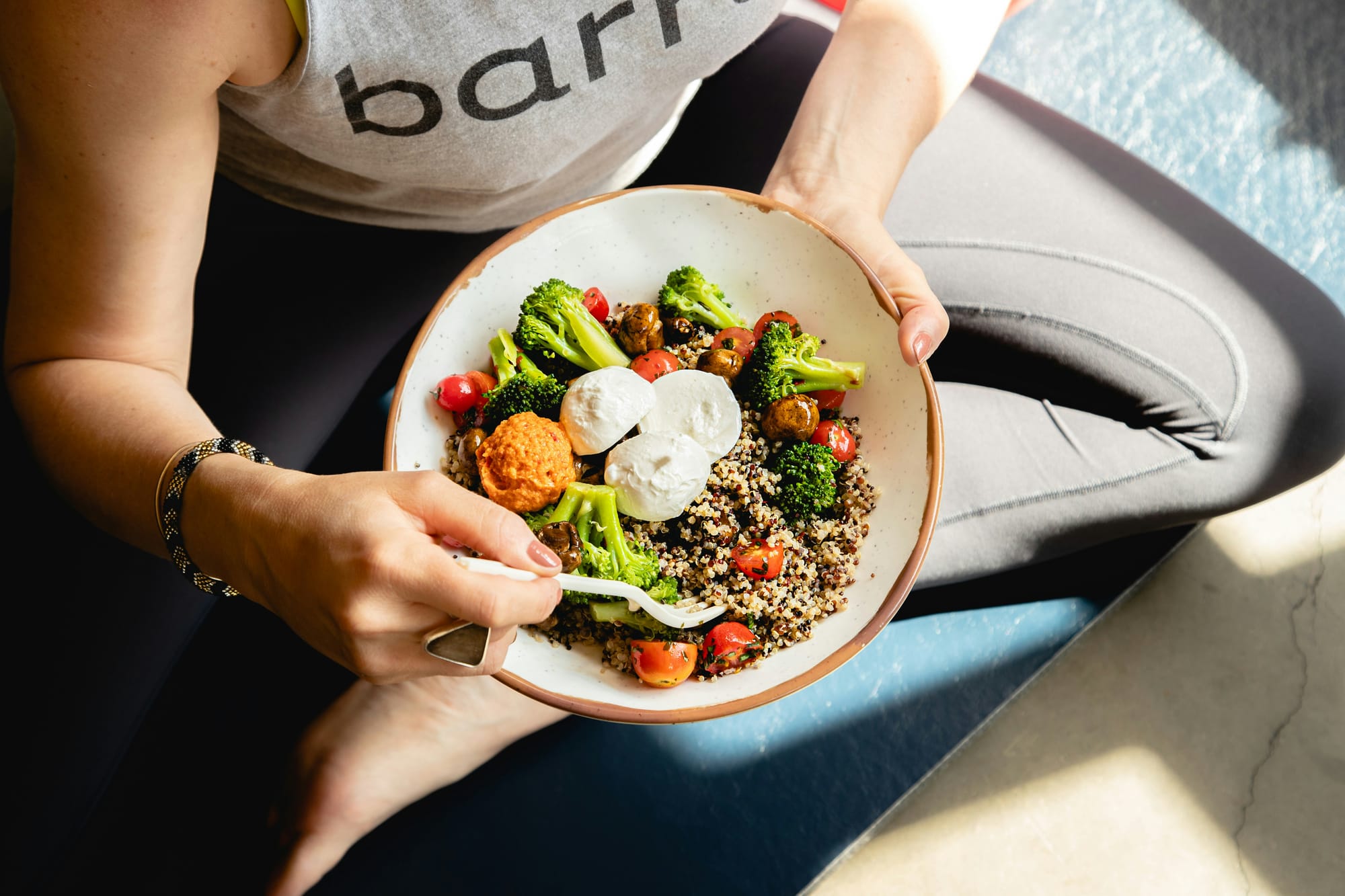
First, ensure a protein source in at least two meals daily. This could be eggs, lentil, cottage cheese, chicken, Greek yogurt, or tofu. Protein supports muscle, keeps you full, and stabilizes blood sugar.
Second, include a raw or lightly cooked vegetable portion daily. Fiber improves gut health and reduces inflammation, which is key for energy and digestion.
Third, don't skip healthy fats. A handful of nuts, seeds, or using clarified butter or extra virgin olive oil in cooking supports hormone production and satiety. These are not diet foods. They are basic building blocks that help women feel more stable, energetic, and less overwhelmed physically.
WHAT WORKS FOR THE WHOLE FAMILY
Q: Toddler years are exhausting for the whole household, not just moms. Are there 2-3 eating habits or simple food shifts that work for the entire family?
LOPAMUUDRA: One of the easiest shifts is building balanced plates for everyone instead of cooking separate meals.
A simple structure works well: protein plus vegetable plus carb. For example, lentil, green vegetables, and rice.
Second, reduce ultra-processed snacks at home. What's available is what everyone eats. Replacing packaged snacks with fruits, nuts, or homemade options automatically improves the whole family's nutrition.
Third, try to eat at consistent times. Regular meal timing supports digestion, energy levels, and even sleep patterns for both adults and children.
These are small shifts, but when done collectively, they create a healthier home environment without making it feel restrictive.
YOU DON'T NEED A NEW DIET. YOU NEED BETTER STRUCTURE.
Q: You recently started a Two Meals a Day routine and have seen real results. Is something like that realistic for a busy mom or are there simpler shifts?
LOPAMUUDRA: I started Two Meals A Day and it worked for me because my meals are nutrient-dense and protein-rich. But this is not a one-size-fits-all approach, especially for moms with high physical and mental demands.
For most women, simpler shifts work better:
Start your day with a protein-rich meal instead of just tea or coffee. This improves energy and reduces cravings later.
Avoid going more than 4-5 hours without eating. Long gaps can spike cortisol and lead to overeating.
Build one balanced plate daily instead of trying to fix every meal. Consistency matters more than complexity.
ONE THING I WISH MORE WOMEN KNEW
Q: What's one thing you wish someone had told you or that you wish more women in this stage of life simply knew?
LOPAMUUDRA: You don't need to wait for life to slow down to take care of your health. This phase will always be busy.
Your energy, mood, and long-term health are being shaped right now by small daily choices. Even imperfect consistency like eating one balanced meal, walking regularly, or sleeping slightly better—has a compounding effect.
I wish more women understood that self-care is not separate from caregiving. When your body is supported, everything else becomes easier, including how you show up for your family.
WORK WITH LOPAMUUDRA
Lopamuudra Banerjee is a health and nutrition coach with over 15 years of experience and the founder of SAWE (South Asian Women Entrepreneurs). She has helped many women build sustainable health through practical nutrition and lifestyle changes, with a focus on hormonal balance, inflammation, and long-term wellness.
Her approach is based in simplicity, consistency, and real-life application—not restrictive diets. She works closely with women navigating perimenopause, PCOS, and midlife health transitions while also building a strong community of women entrepreneurs in the US.
Connect with Lopamuudra:
🌐Website: worldofwowfitness.com
💼 LinkedIn: Lopamudra Banerjee
📱 Instagram: @getfitwidlopa 📘 Facebook: Lopamudra Banerjee
If this resonated, I write every week about real, honest motherhood — nutrition, postpartum, the things nobody tells you. Subscribe to Modern Mom Notes below.
 Modern Mom Notes