
Guest Post by Chelsea Jones, Certified Pediatric Sleep Consultant and Baby Sign Language Educator
There is a moment most toddler parents know intimately.
You are in the middle of a perfectly ordinary afternoon and without any warning, your child completely falls apart. Tears, flailing arms, that cry that cuts right through you. I lived this two years ago and with a second baby on the way, I know I am heading back into this season soon. I only wish I had followed through some of this resource the first time around.
You run through every possibility. Hungry? Tired? Hurt? Something you did? Something you did not do?
But nothing lands. The meltdown builds anyway.
Here is something that changed how I think about those moments now entirely: most tantrums are not about defiance. They are about frustration. Your child knows exactly what they want and feel. They simply do not yet have the words to tell you.
That gap between what they feel and what they can express is where so much of the chaos of the early childhood years lives.
Baby sign language bridges that gap. And the results, for both children and the parents trying to understand them, can be genuinely life changing.
I asked Chelsea Jones, a Certified Pediatric Sleep Consultant and Baby Sign Language Educator based in Cincinnati, Ohio, to share the five signs she recommends to every family she works with. Chelsea has seen firsthand how a handful of consistent signs can transform daily life, fewer meltdowns, clearer communication, and a stronger sense of connection between parent and child.
Here is Chelsea:
IN THIS POST:
→ Why baby sign language works and when to start
→ The 5 essential signs every toddler parent needs
→ How to teach signing so it actually sticks
→ What real life looks like when it clicks
WHY BABY SIGN LANGUAGE WORKS
Before toddlers can speak clearly, they already understand far more than they can express.
This gap between comprehension and communication is often the root cause of frustration. Imagine knowing exactly what you want but having no reliable way to say it. That is daily life for many young children.
Baby sign language works because it gives children a functional way to communicate before verbal skills fully develop. Simple hand gestures are easier to produce than spoken words, especially in the early stages of development. When a child can sign "more," "milk," or "all done," they no longer have to rely on crying to get their message across.
The benefits go both ways. Parents gain clarity and confidence, while children feel understood, reducing stress on both sides. Research and real world experience consistently show that early signing can decrease tantrums, strengthen bonding, and even support language development.
You can start as early as 6 months, when babies begin to develop motor control and awareness. Most children begin signing back between 8 and 12 months, though every child is different. Signing does not eliminate all tantrums, but it significantly reduces those caused by communication breakdowns.
THE 5 ESSENTIAL SIGNS
If you are just getting started, focus on a few high impact signs that meet your child's everyday needs. These five are simple, practical, and incredibly effective.
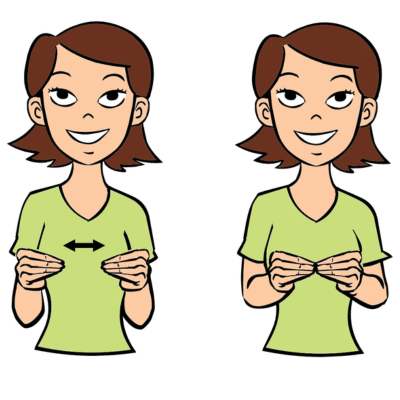
1. MORE
This is often the easiest and most rewarding first sign. Tap your fingertips together. Use it during mealtimes, playtime, or any time your child wants something repeated. It empowers your child to ask instead of cry, and you will likely see this one used quickly and often.
2. MILK / DRINK
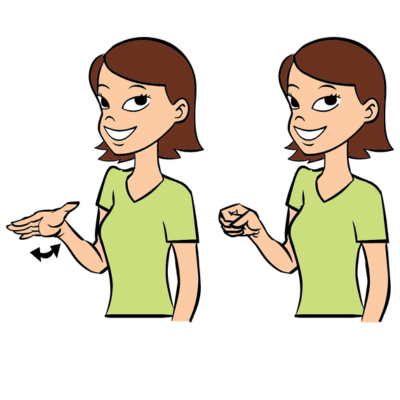
For "milk," open and close your fist like you are milking a cow. For "drink," mimic holding a cup to your mouth. These signs are especially helpful for younger babies who still have bottles or breast milk. This one sign alone can prevent many hunger related meltdowns before they start.
3. FINISHED
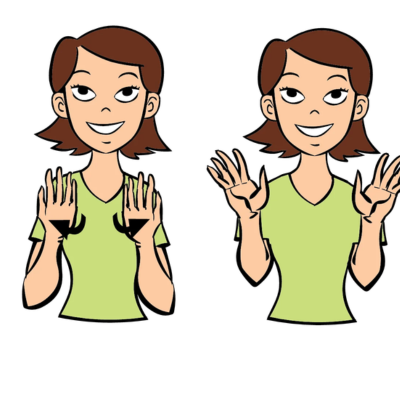
Rotate your hands outward to signal "all done." This sign is a game changer during meals, diaper changes, or activities your child wants to end. Instead of fussing or throwing food, your toddler has a clear way to say: I am finished.
4. HELP
Place one hand on top of the other and lift slightly. This sign is incredibly powerful because it replaces frustration with collaboration. When a child can ask for help instead of crying, it builds confidence and reduces emotional escalation before it starts.

5. EAT
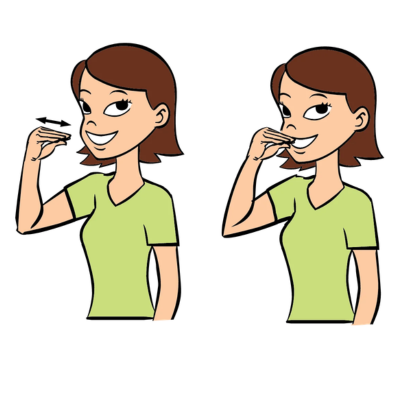
Bring your fingertips to your mouth as if taking a bite. While similar to "milk," this sign is broader and useful as your child transitions to solid foods. It helps you distinguish between general hunger and a specific need for drink.
The key to these signs is not perfection. It is consistency. Pair the sign with the spoken word every single time. Over time, your child will associate the gesture with meaning and begin using it independently.
HOW TO TEACH BABY SIGN LANGUAGE
Start small. Choose one or two signs and use them consistently throughout the day. Every time you offer food, say and sign "eat." Repetition in natural contexts is what makes learning stick.
Consistency over quantity. It is better to use two signs regularly than five inconsistently. Make sure all caregivers are on the same page so your child gets clear, repeated exposure.
Be patient. Some children pick up signs within days, while others take weeks. Typically you will start seeing attempts around 8 to 12 months, but understanding comes before expression. Even if they are not signing yet, they are learning.
Keep it playful. Use songs, smile big, and celebrate enthusiastically when they sign back. Positive reactions reinforce the behaviour and make the learning feel like connection rather than instruction.
WHAT REAL LIFE LOOKS LIKE WHEN IT CLICKS
Picture this. Your toddler starts to fuss before dinner. Instead of escalating into a full meltdown, they tap their fingers together, "more," or bring their hand to their mouth, "eat." Instantly, you understand. You respond. The tension dissolves before it builds.
Baby sign language does not eliminate emotions. It gives your child a way to express them.
Parents who have gone through this process consistently report fewer tantrums, smoother transitions and routines, and a stronger sense of connection with their child. Children, in turn, feel heard and capable. It is not just about avoiding meltdowns. It is about building communication and language from the very beginning.
You do not need dozens of signs to make a difference. Just a few, used consistently, is enough to start.
A NOTE FROM CANDOR PARENT:
As a mom of a young child, I remember this phase vividly, not knowing what he needed and guessing felt relentless. What Chelsea describes here is not a parenting hack or a shortcut. It is something more meaningful than that. It is giving your child a voice before they have the words to use it.
The signs Chelsea shares are simple enough to start today. One sign, paired consistently with the spoken word, is genuinely all it takes to begin. And the moment your young one signs back for the first time, something shifts. Not just practically, but in the relationship. You understood them. They knew it. That matters far beyond the meltdown it prevented.
WHAT TO DO NEXT:
✓ Pick ONE sign to start with today. "More" or "eat" are the easiest first signs.
✓ Use it consistently every single time in context, paired with the spoken word.
✓ Get all caregivers on the same page so your child gets consistent exposure.
If you would like personalised support or guidance, Chelsea offers consultations for families navigating early communication.
📧 Email: chelsea.ewing1992@gmail.com
ABOUT CHELSEA JONES
Chelsea Jones is a Certified Pediatric Sleep Consultant and Baby Sign Language Educator based in Cincinnati, Ohio. She works with families navigating early communication challenges, newborn sleep, and the beautiful chaos of the first few years. Her approach is practical, compassionate, and always tailored to where your family actually is, no judgment, no one-size-fits-all plans.
WORK WITH CHELSEA:
📧 Email: chelsea.ewing1992@gmail.com
Enjoyed this post? You might also love Chelsea's guide on newborn sleep:
👉 What New Parents Get Wrong About Newborn Sleep (And What to Do Instead)
Chelsea covers the biggest sleep mistakes new parents make, what realistic newborn sleep actually looks like, and how to survive the 4 month sleep regression with more confidence. If you have a new parent in your life, this one is worth sharing. 🤍
More expert advice on Candor Parent →
Subscribe to Modern Mom Notes for weekly honest parenting content delivered to your inbox: Subscribe here